

Weekday mornings, Saint Ignatius students can be found at Starbucks on Taylor Street, drinking an energy drink in Tully Hall, or rushing to get to school. Whether fueling up from a morning practice or running behind on sleep, their pre-class breakfast impacts the rest of their day.
According to this CDC article, students who eat in the morning are more attentive, alert, and better at retaining memory. This is the result of feeling less fatigue during the school day from the nutrients they eat in the morning. However, at Ignatius, between busy schedules, morning traffic, and late-night studying, not every student is able to get a full meal before 8 a.m.
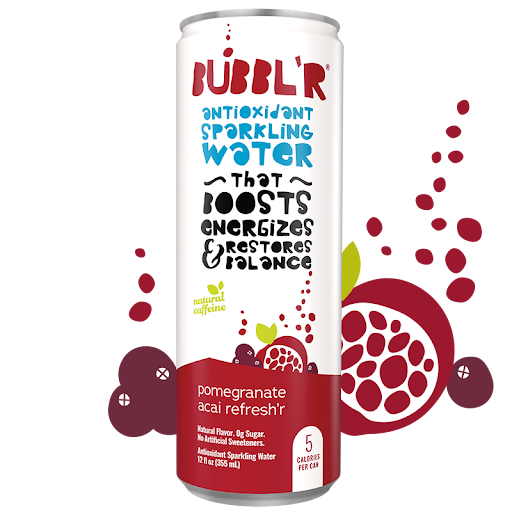
From protein-filled meals to caffeine-heavy beverages, Saint Ignatius students start their mornings off in various ways. While some may choose a nutritious breakfast such as eggs or fruit, others rely on quick snacks such as a granola bar. Then there are some students who do not opt for either and begin their day with only an energy drink such as a Celsius or Bubblr, with Celsius containing 200 mg of caffeine per 12 fl oz and Bubblr 69 mg per 12 fl oz. Despite a wide variety of meal types, most students agree that breakfast has a significant impact on their mindset and energy levels.
Frankie Lombardo said, “I prefer eating breakfast every morning because I think it helps give me energy for the first couple periods until lunch time. I usually have yogurt with granola.”
For athletes, who make up 76.5 percent of the student body, breakfast means more. Many student athletes have the task of balancing morning practice, after-school lifts, and long school days. Eating breakfast at the beginning of the day is what can help them maintain stamina and energy throughout their hectic schedules.
Field hockey player Maggie Toney agrees. “I usually have some sort of quick fruit in the morning or a breakfast bar on days I have morning practice. While by practice time at the end of the day I’m tired, I at least have some fuel from breakfast and lunch to tie me down.”
The reality is, however, not every student has the ability to eat a healthy and complete breakfast in the morning. Many students leave home in a rush in hopes of not receiving a tardy. Others are up late cramming for a test and wake up late with barely enough time to pack their bags. For those students, breakfast can feel less of a norm and more of a possibility.
Students admit that when skipping breakfast, they have low energy throughout the day and trouble staying attentive. Many feel that the first couple periods feel long and slow; however, when lunch comes around and they grab a bite to eat, they feel more energized for their afternoon classes and notice a clear mood change.
Ava Gerami said, “On the days I’m running late and don’t have time to eat, the first three periods are pretty hard. If I don’t have any food or caffeine in my system I usually get pretty tired. After lunch I definitely felt a change because I went from nothing to full.”
Frankie Lombardo had similar feelings saying, “I usually eat something before school every morning, but the days I don’t I definitely feel less energized. If I have a late lunch, I’ll also try to grab breakfast or an energy drink in Tully Hall.”
Regardless of routine or schedule, one thing is clear and consistent across the student body: breakfast makes a difference. Whether a full, nutritious breakfast or a quick breakfast bar, the first thing students put into their body impacts the type of day they have.
While the Wolfpack will continue to push through the first semester, busy school days, and long studying nights in preparation for finals and those last couple of tests, their morning breakfast decisions can help make a better impact. While everyone’s mornings may look different, the concept that while a breakfast can be small, it impacts all day long.