
Students often say their favorite classes are the most interesting, but interest alone doesn’t guarantee proficiency.
At Saint Ignatius, some classes stand out not just because they’re engaging, but because they actually help students understand and apply what they learn. The difference between a class that is just enjoyable and one that actually benefits someone often comes down to how the students are taught and the kind of learning environment that is created.
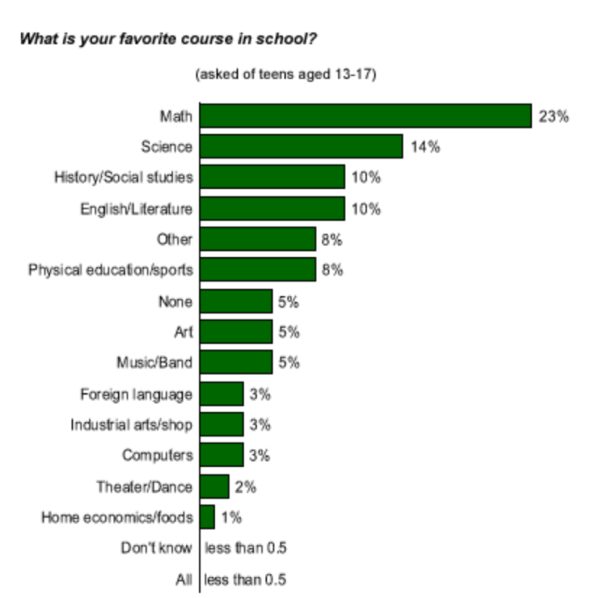
Across the country, there is a clear gap between what students enjoy and what they are proficient in. While students may feel confident in subjects they enjoy, national data shows that many still struggle to reach full proficiency. This raises the question: what separates classes that students enjoy from those that lead to real learning?
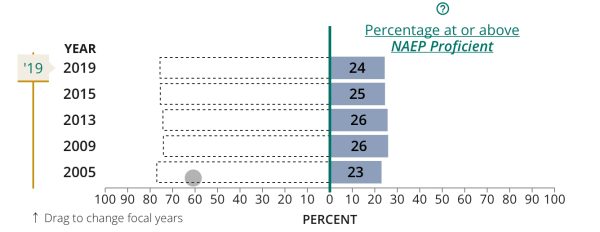
According to the National Assessment of Educational Progress (NAEP) mathematics and science assessment results for tests conducted in 2000, “83% of 12th graders are not proficient in mathematics.” Even though math is often seen as an important, and even popular class, many students fail to meet expected standards. This highlights a disconnect between interest and actual performance. Students may like a class, but that does not always mean they are learning effectively.
This issue is not limited to one subject or one school.
According to the NAEP, “roughly 30% to 35% of U.S. students are proficient in reading and math.” National testing data reinforces the idea that students across the United States struggle to achieve proficiency, even in classes they enjoy. These results suggest that the problem is widespread and that stronger teaching methods are needed to improve outcomes.
So what makes certain classes at Saint Ignatius stand out?
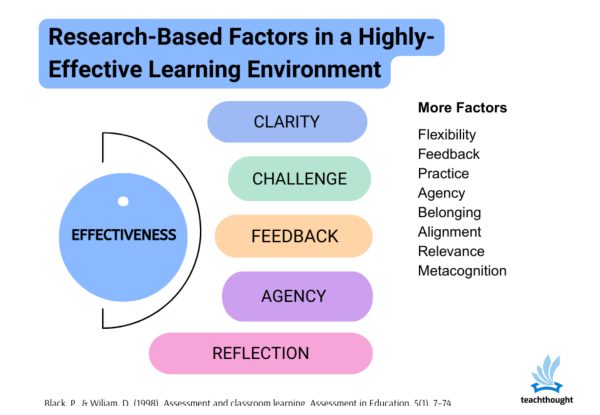
One important factor is how students are taught, not just what they are taught. The most effective classes focus on building real understanding through practice, engagement, and participation.
One approach often discussed is the “drill-and-kill” method—repeatedly practicing the same skill until it becomes second nature. While this method may not always be exciting, it shows that repetition can play an important role in mastering content. Consistent practice helps students build confidence and improve over time, even if the process is not always entertaining.
However, classes do not only rely on repetition. The best classes combine learning with engagement, creating an environment where students are both interested and improving. In these classrooms, students are actively asking questions, participating in discussions, and applying what they learn instead of just memorizing it.
“I’ve had classes that were fun, but I didn’t really learn anything,” said Liam Brennan, a student at Saint Ignatius. “The best classes are the ones where you’re involved in asking questions, practicing, and actually understanding the material.”
His experience reflects what many students sometimes don’t understand. Enjoyment matters, but it must be paired with meaningful learning. A balance between enjoyment and meaningful practice leads to the most enjoyable classes.
Another reason these classes stand out is the strength of their learning communities. In the most effective classrooms, students feel comfortable speaking up, asking questions, and making mistakes. Teachers create an environment where participation is encouraged and where students support each other’s learning. This sense of community makes a major difference, helping students stay engaged and feel confident about their work.
Additionally, the best classes challenge students in a productive way. Institute of Educational Sciences Director Grover J. Whitehurst stated, “Children in countries that were at the top on math achievement, such as Japan, don’t like math,” Whitehurst said. “Children in countries at the bottom of international achievement, such as South Africa, like math more than children from any other country in the world.”
Instead of simply delivering information, teachers push students to think critically, explain their reasoning, and improve through practice. This combination of high expectations and support allows students to grow academically while also building confidence.
Ultimately, the classes that “make the grade” at Saint Ignatius are not just the ones students enjoy the most, they are the ones that help students grow. By balancing engagement, repetition, and a strong learning community, these classes stand out as examples of effective teaching. In the end, the best classes are not just memorable, they prepare students for success by helping them truly learn.