
Rising Prices
Rising food prices are starting to hit close to home for Saint Ignatius students, showing up in places they notice everyday. What used to be an easy $8 meal is now moving closer to $15. While it might feel like a local problem, the causes go far beyond neighborhood restaurants.
Experts say the increases are tied to rising fuel costs, expensive fertilizer, and even global shipping disruptions in places like the Strait of Hormuz.
One of the biggest factors behind rising food prices is fuel. When gas prices go up, it affects almost every step of the food process.
According to a 2026 report from EatingWell, “higher fuel costs increase expenses for farming, processing, and transportation, which ultimately raises grocery prices for consumers.” In simple terms, it costs more to grow and move food, so businesses raise prices to keep up and make profit.
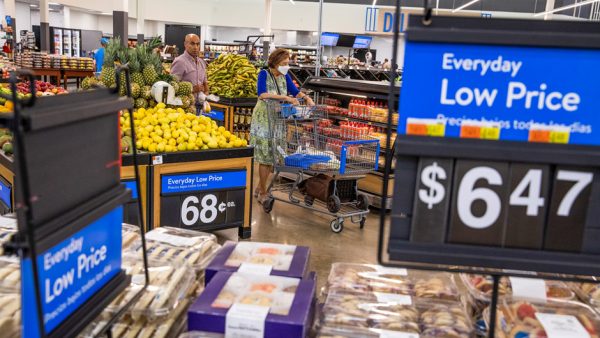
Farmers are feeling the pressure even more directly.
Fertilizer, which is essential for growing crops, has become significantly more expensive in recent years. A survey from the American Farm Bureau found that “nearly 70% of farmers reported they could not afford enough fertilizer for the 2026 growing season”
Farmers can’t afford to use as much fertilizer, crop production can drop. This leads to less supply, which pushes prices higher by the time food reaches stores and restaurants.
On top of that, global events are making the situation worse. One key factor is the Strait of Hormuz, a narrow waterway that is essential for distribution of a large portion of the world’s oil and fertilizer.
When there are tensions or disruptions in that region, it can slow down shipments and drive up costs worldwide. A recent report from Reuters warned that “a protracted crisis in the Strait of Hormuz could trigger a global agrifood catastrophe”. The global food system is impacted by many factors and what happens thousands of miles away can still affect what students pay for a meal.
National data backs this up. The United States Department of Agriculture reports that food prices are still rising, especially when it comes to eating out.
For students, that’s where the impact is most obvious. Grabbing food between classes or after practice is getting more expensive, and many are starting to know a difference.
Students are starting to adjust. Some are looking for daily deals or cheaper menu items, while others are sticking to certain spots where they can get a good meal for under $10. For example, near Saint Ignatius College Prep, you can get three tacos for $9 at Chilango Mexican Street Food.
But those options are becoming harder to find. Meals in the $10-$15 range are quickly becoming the new normal, even for basic items.
A solution to these problems is creating a “budget map” of local food spots. By comparing prices at different restaurants and highlighting affordable options, students can figure out where their money goes the furthest. It also shows how much things have changed. A year or two ago, finding a cheap meal was easy. This also supports how global events far from where we live causes this issue.
At the end of the day, rising food prices is not just about one issue. They are the result of a chain reaction that starts with fuel and fertilizer and trenches across the globe. From farmers struggling to afford supplies to shipping disruptions in places like the Strait of Hormuz, every step adds to the final price. For students, that reality is showing up in the simplest way possible: paying more for the same meal.